Analysis and operations
Knowledge Brief: Correlations and Regressions
A short, plain-English breakdown of correlation and regression analysis — what they measure, how R-squared works, and how the two concepts differ.
When we talk about statistical analysis, correlation and regression are the two terms you need to understand to make sense of what the data is telling you. At first pass, both can seem complicated, so here’s a breakdown of what each one means, at a level detailed enough to understand how they differ.
Correlations
Correlation is the degree and type of relationship between two or more variables that vary together over time. A positive correlation exists when high values of one variable are associated with high values of another. A negative correlation means high values of one variable are associated with low values of another.
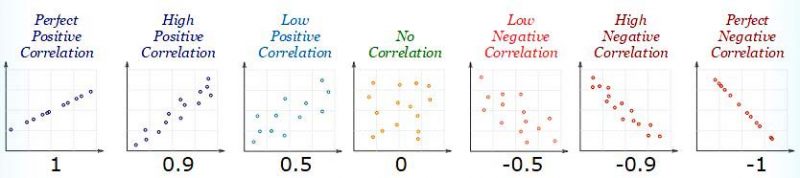
Correlation values range from +1 to -1. Values close to +1 indicate a high degree of positive correlation, and values close to -1 indicate a high degree of negative correlation.
Regressions
Regression is a statistical process for estimating the relationship among variables — more specifically, it helps you understand how a dependent variable changes when an independent variable is varied. Most commonly, regression analysis estimates the expected value of the dependent variable given a specific value of the independent variable.
What is R-squared?
R-squared is a statistical measure of how close the data points are to the fitted regression line. It’s also known as the coefficient of determination (or, for multiple regression, the coefficient of multiple determination). In plain terms, it’s the percentage of the variation in the response variable that’s explained by the model.
R-squared always falls between 0% and 100% (0 and 1):
- 0% means the model explains none of the variability of the response data around its mean.
- 100% means the model explains all of the variability of the response data around its mean.
What’s the difference between correlation and regression?
Correlation gives you a single index describing the linear relationship between two variables. Regression goes further — it helps predict the relationship between two or more variables, and lets you identify which variable (x) can predict the outcome of another (y).
Working through this at your own organization?
Keep reading